Discover toys and hobbies selected according to your child's developmental milestones, neural windows, and authentic interests. Straightforward, evidence-guided, and screen-free.
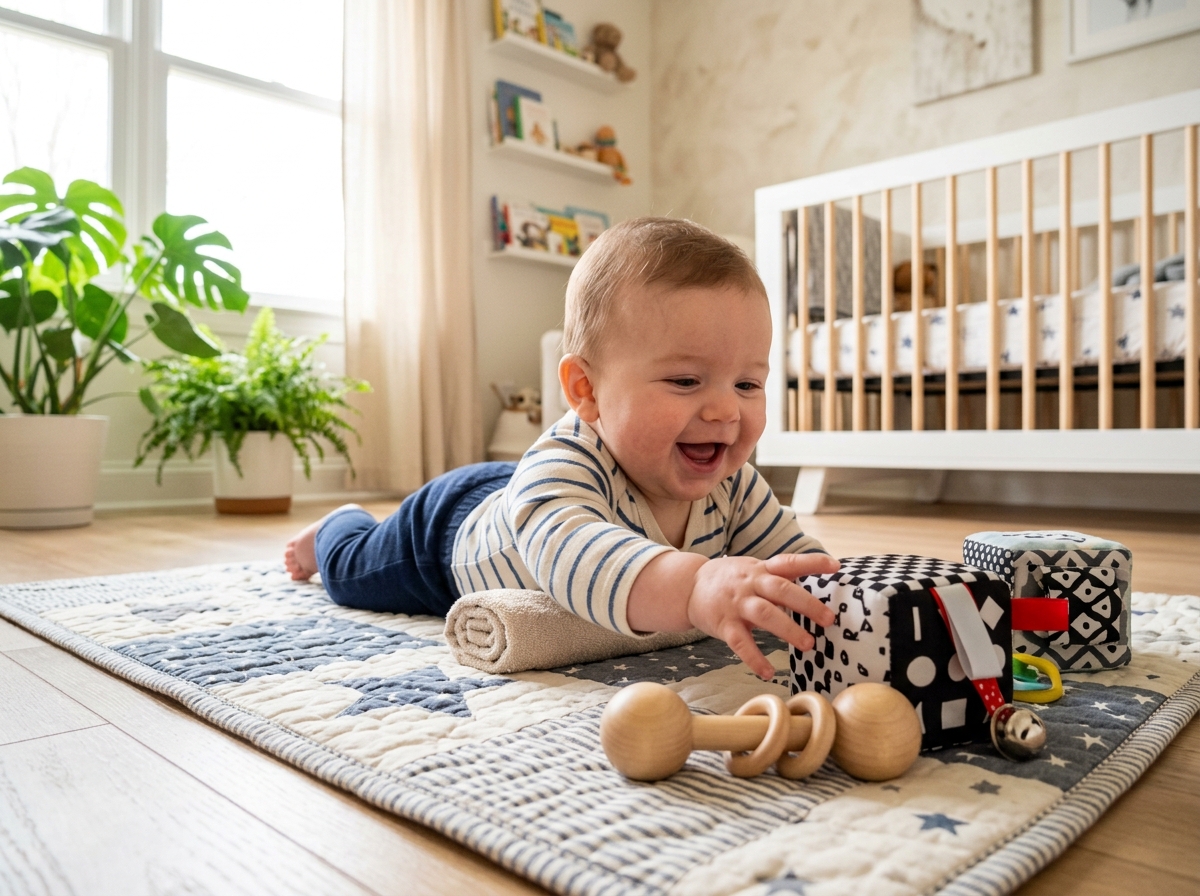
Pediatric guidelines from the American Academy of Pediatrics (AAP) confirm that infancy is defined by sensorimotor mapping. Infants do not need battery-powered flashing electronics; they require tactile cause-and-effect, high-contrast visual stimulation, and grasp-and-release reflex practice.
👁️ Visual Tracking
High-contrast geometric patterns stimulate early optic nerve myelination.
🖐️ Palmar to Pincer
Smooth wood and natural silicone exercise involuntary grasping into deliberate release.
💪 Tummy Time Ergonomics
Cervical neck extension and shoulder girdle stabilization for crawling posture.
🛡️ Non-Toxic Safety
100% oral-safe, food-grade materials for mouthing and exploration.
Curated Recommended Items
All verified 0–1 year sensory & tummy time toys in one easy list
Toddlers transition from crawling to running. Play focuses on core stability, bilateral pincer grasps, spatial nesting, and trial-and-error reasoning.
🏃 Gross Motor🧩 Spatial Nesting🔄 Cause & Effect
Stage 02 Play in Action1–3 Years
Pediatric Observation
Toddler motor mastery: bilateral hand coordination, 3D shape matching, equilibrium during vertical stacking, and intentional knockdown physics.
Piagetian Cognitive & Motor Study
Physical Experimentation & Gait Equilibrium: 1–3 Years
During the late sensorimotor and early preoperational period, toddlers learn through physical trial-and-error. Research in early childhood education shows that self-correcting wooden toys (shape sorters, block towers, balance wagons) develop spatial cognition and perseverance far better than passive reactive screens.
🧩 3D Shape Orientation
Wrist rotation and deductive hole-matching teach geometric object permanence.
🏗️ Gravity & Equilibrium
Stacking blocks teaches center-of-mass intuition and causes-and-effects.
🚶 Gait Stability
Weighted push wagons provide tactile resistance for confident upright walking.
🌱 90% Child / 10% Toy
Open-ended materials where the child does the thinking, building, and driving.
Curated Recommended Items
All verified 1–3 year motor skills & exploration toys in one easy list
Preschoolers enter the golden age of divergent imagination, 3D structural construction, and empathic narrative roleplay.
🏗️ 3D Geometry🎭 Empathy Roleplay💡 Divergent Play
Stage 03 Play in Action3–5 Years
Pediatric Observation
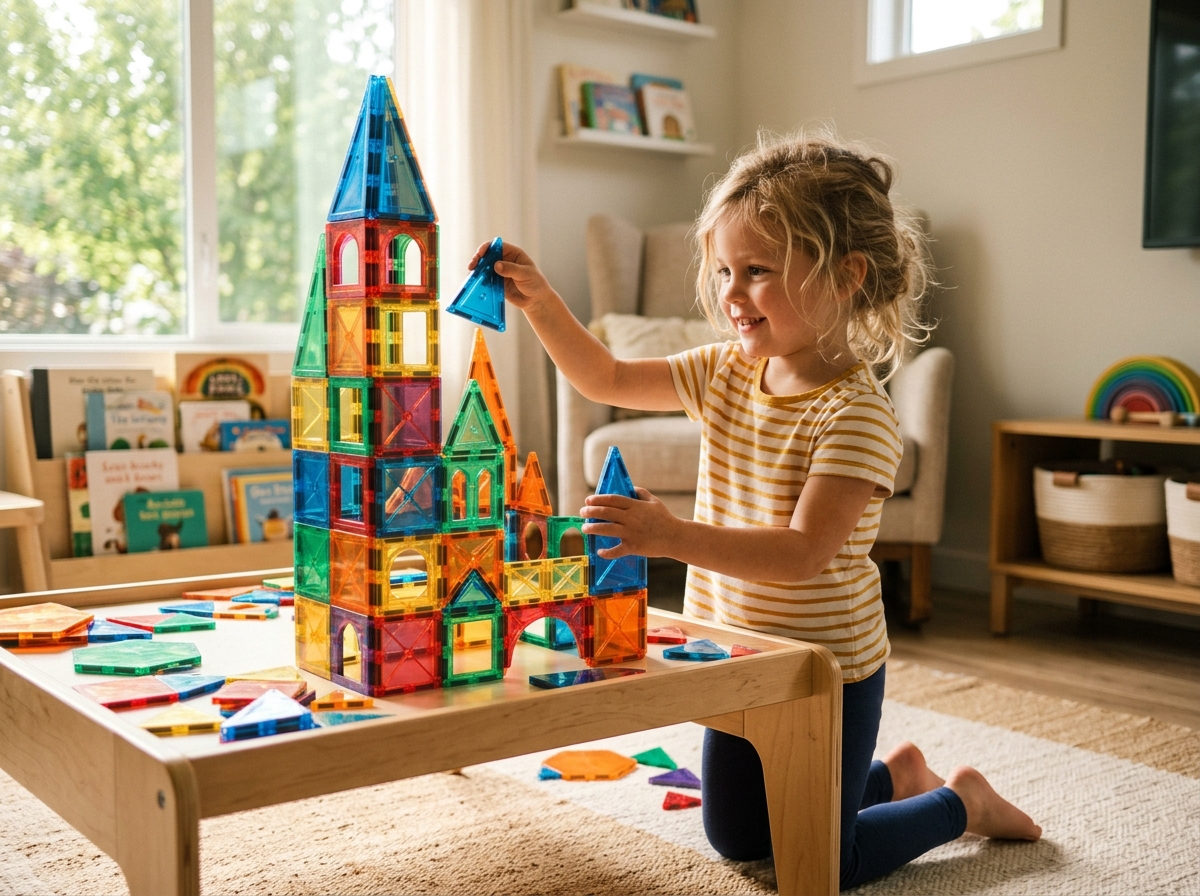
Preschool spatial creativity: 3D geometric construction, structural balance, light transmission, and cooperative storytelling.
Vygotsky & Spatial Geometry Research
Divergent Imagination & Spatial Reasoning: 3–5 Years
Preschoolers enter the golden age of symbolic play and spatial rotation. Research in cognitive developmental psychology highlights that open-ended modular materials (such as magnetic tiles and roleplay kits) foster neural connections in executive function, emotional perspective-taking, and architectural geometry.
🏰 3D Spatial Geometry
Cantilever roofs, magnetic polarity, and structural equilibrium intuition.
🎭 Theory of Mind
Pretend play kits (vet, tools, culinary) nurture empathy and emotional narrative.
🔧 Rotational Torque
Bolts, screwdrivers, and interlocking gears develop hand dexterity for pencil grips.
🎨 Color & Optics
Translucent sunlight color blending stimulates aesthetic curiosity.
Curated Recommended Items
All verified 3–5 year creativity & spatial toys in one easy list
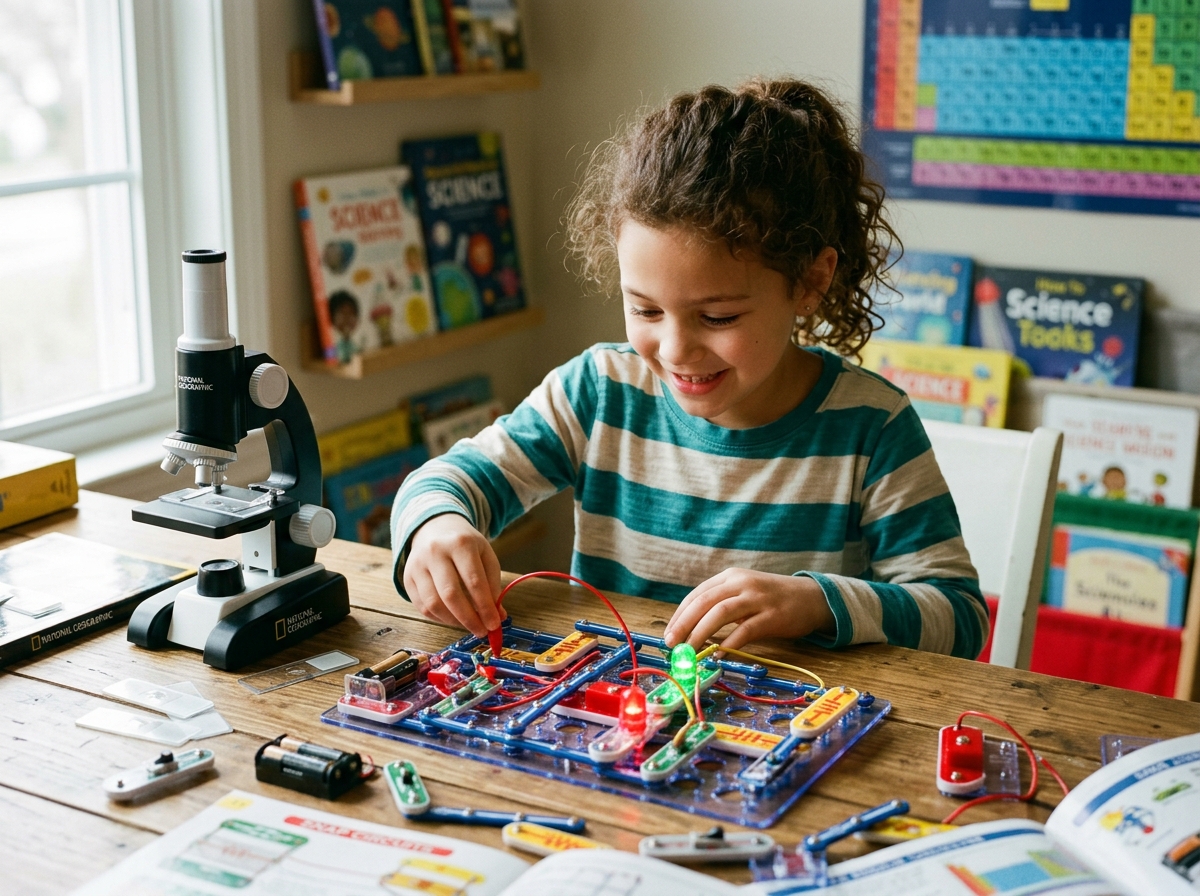
Early STEM inquiry: closed-loop circuit conductivity, LED illumination, biological cell magnification, and kinetic gravity mazes.
Piagetian Concrete Operational & STEM Research
Empirical Inquiry & Deductive Mechanics: 6–8 Years
Around age six to eight, children enter Piaget's Concrete Operational stage. They shift from purely imaginative play to rule-governed systems, cause-and-effect debugging, and empirical observation. Hands-on physics labs and microscopes provide tangible reality checks that screen-based games cannot replicate.
⚡ Closed-Loop Electricity
Color-coded snap circuits teach voltage loops, polarity, and systematic troubleshooting.
🔬 Cellular Observation
Optical glass microscopes bridge textbook biology into firsthand cellular discovery.
🎯 Sequential Planning
Gravity-powered logic mazes develop multi-step forward reasoning and spatial intuition.
💡 Intrinsic Mastery
Succeeding through real physical experimentation builds lasting self-efficacy.
Curated Recommended Items
All verified 6–8 year logic & early STEM toys in one easy list
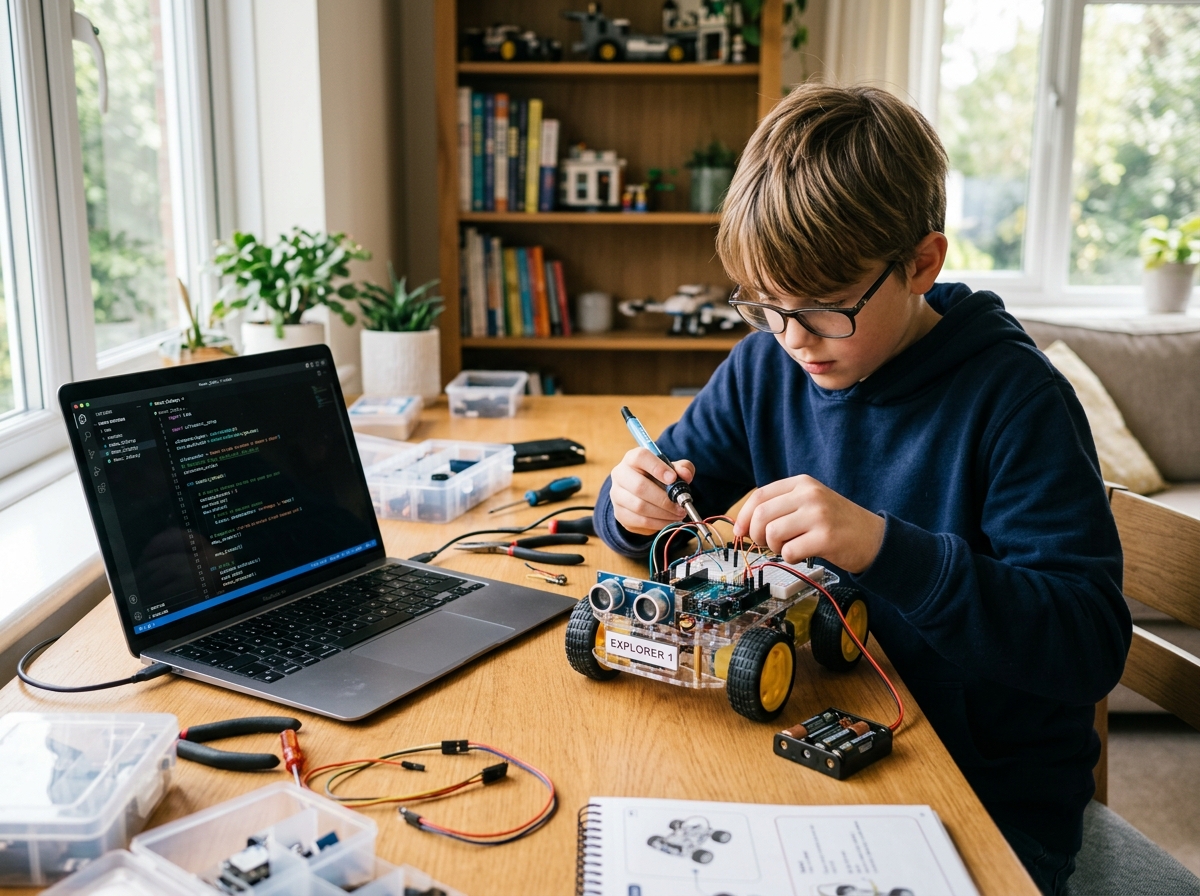
Seymour Papert's seminal research on constructionism reveals that pre-teens learn computational thinking most deeply when they build physical computational objects. Instead of consuming software, building rovers and hydraulic levers teaches system architecture, error diagnosis, and persistence.
🤖 Sensor Integration
Ultrasonic rangefinders and infrared line followers translate data into motors.
💧 Fluid Hydraulics
Piston water-transfer demonstrates Pascal's Law and mechanical leverage directly.
🔭 Astronomical Wonder
Coated refractors bring lunar craters and planetary rings into direct reality.
💻 Code-to-Hardware
Scratch and Python logic loops control physical movement, not just screen pixels.
Curated Recommended Items
All verified 9–12 year robotics, coding & science kits in one easy list
Formal Operational & Vocational Engineering Research
Applied Mechanics, Aeronautics & Signal Physics: 13–15 Years
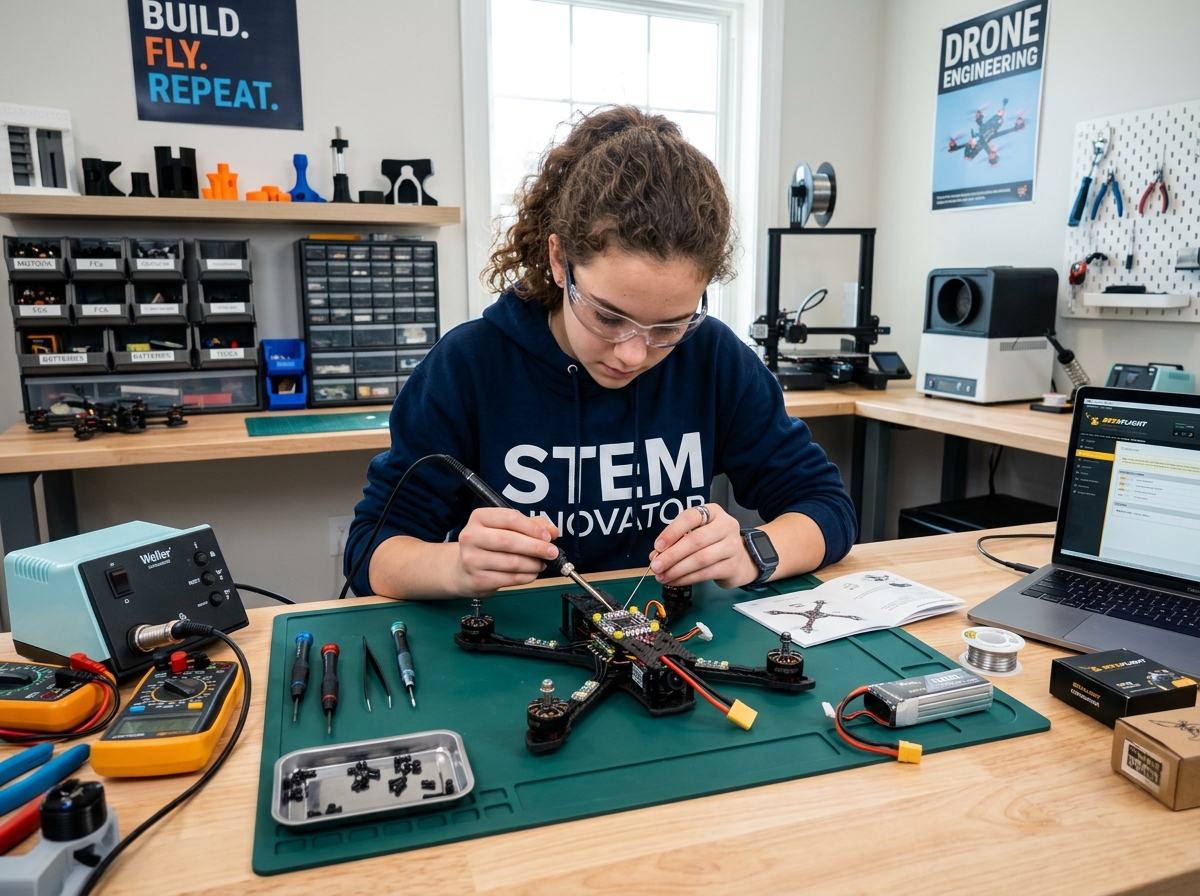
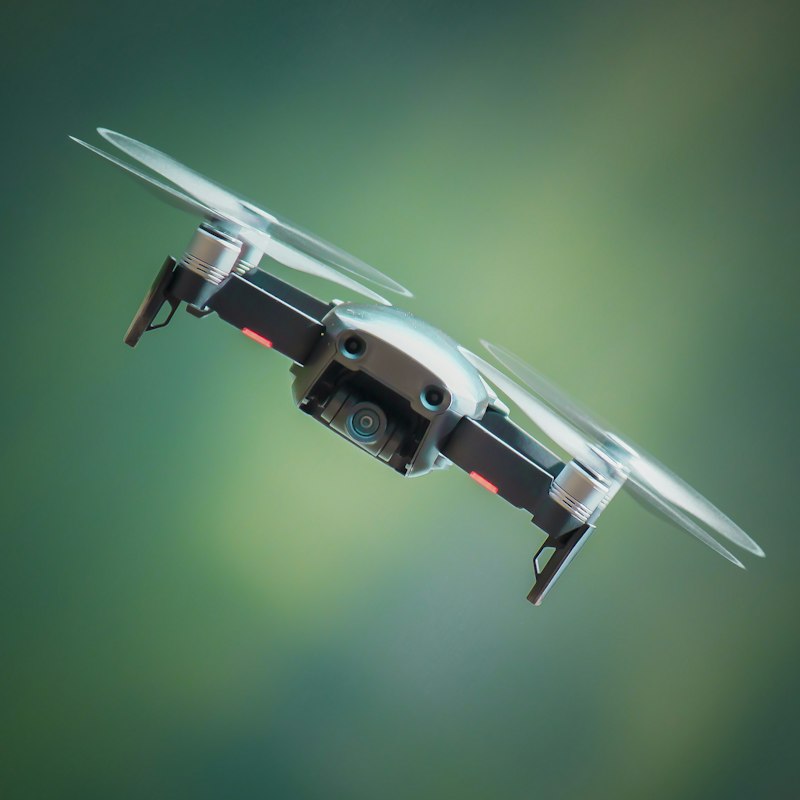
Piaget's Formal Operational period marks the capacity for abstract hypothesis testing and advanced technical problem-solving. Teens thrive when trusted with real tools—quadcopter flight controllers, analog audio synthesizer circuits, and mechanical clocks—fostering adult engineering competencies.
🚁 Aerodynamic Telemetry
Brushless motors, LiPo discharge rates, and 6-axis gyro stabilization.
🎵 Waveform Audio Synthesis
Oscillators, harmonic filters, and frequency modulation patch routing.
⚙️ Escapement Mechanics
Pendulum harmonic resonance, gear tooth ratios, and potential energy storage.
🛠️ Workshop Self-Reliance
Confidence with multimeters, wire routing, and precision hand calibration.
Curated Recommended Items
All verified 13–15 year STEM engineering & advanced maker kits
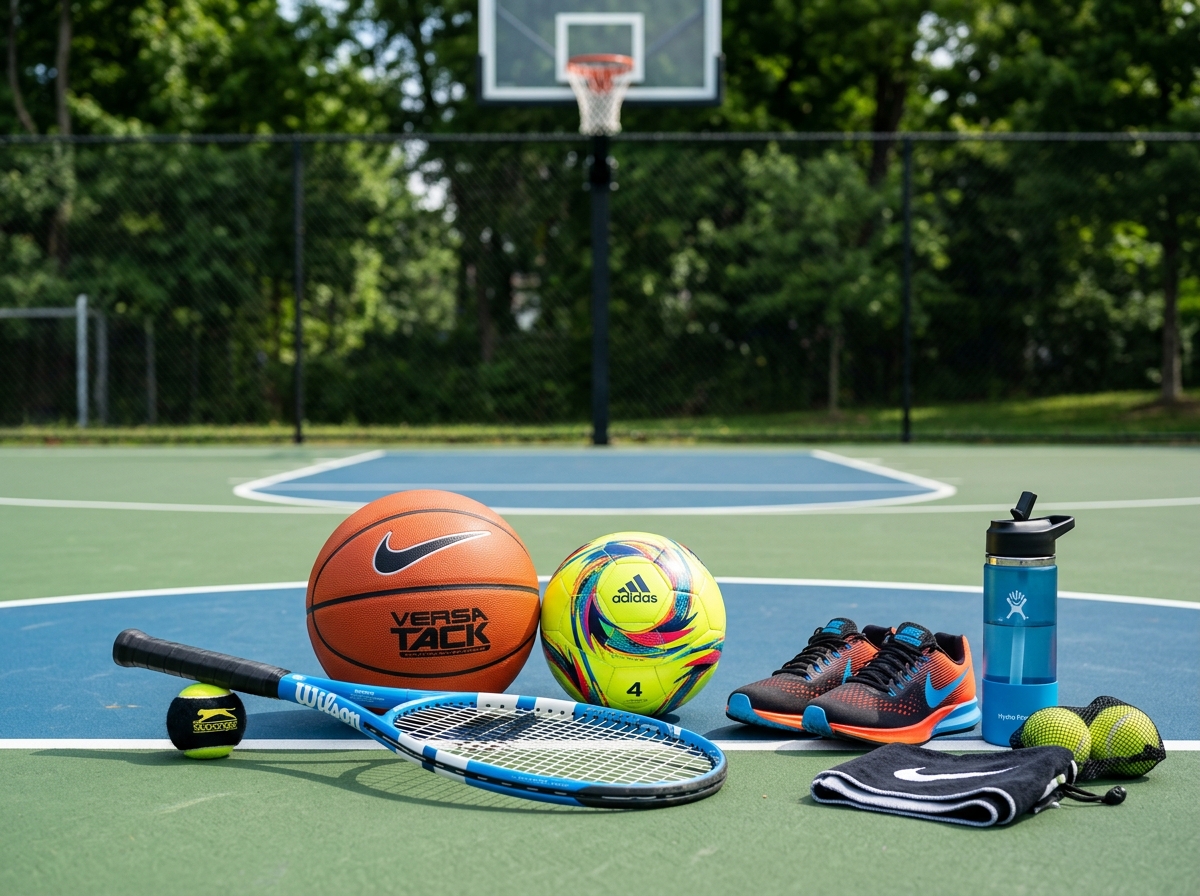
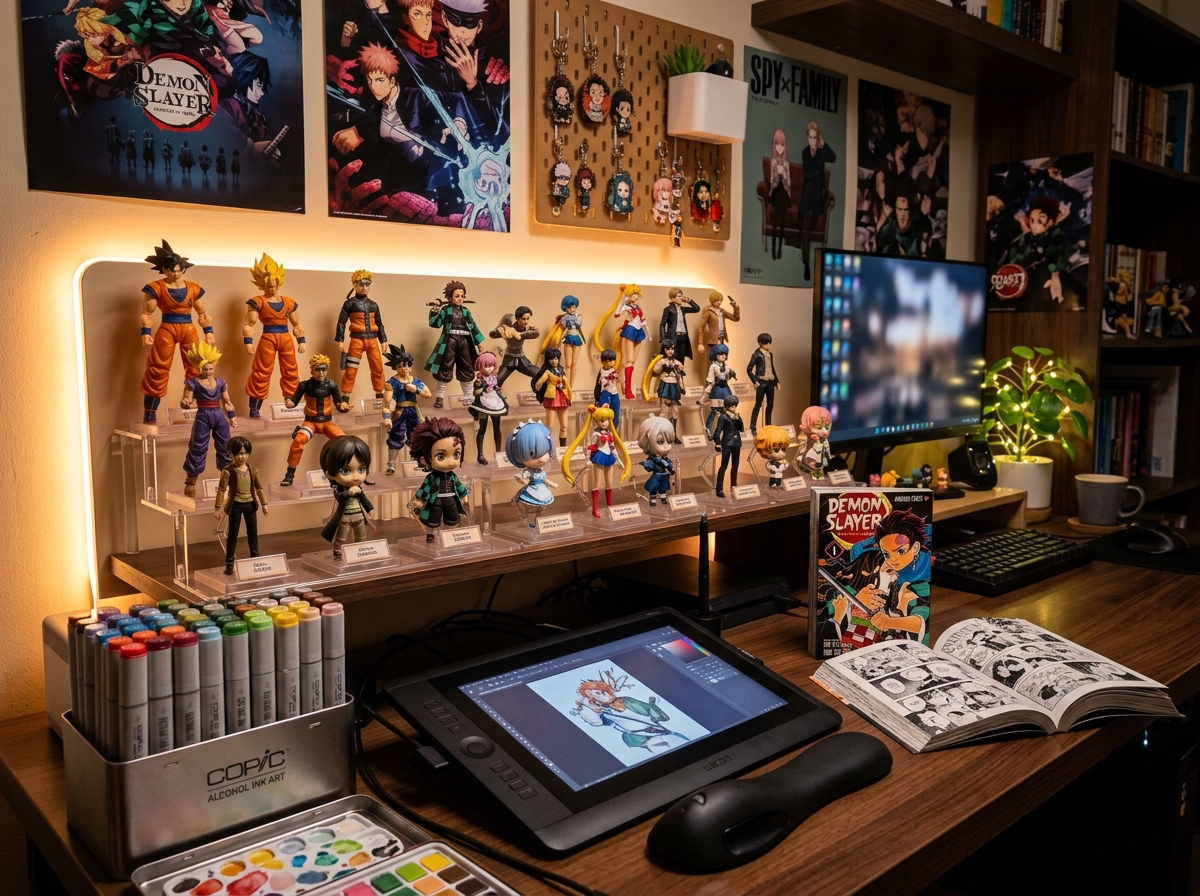
As children grow into adolescence and adulthood, play transforms into deeper lifelong passions—from culinary arts, sports, and reading to robotics, electronics, cycling, anime, and RC drones.
Stage 07 Mastery in Action15+ Years
Pediatric & Neuroplasticity Study
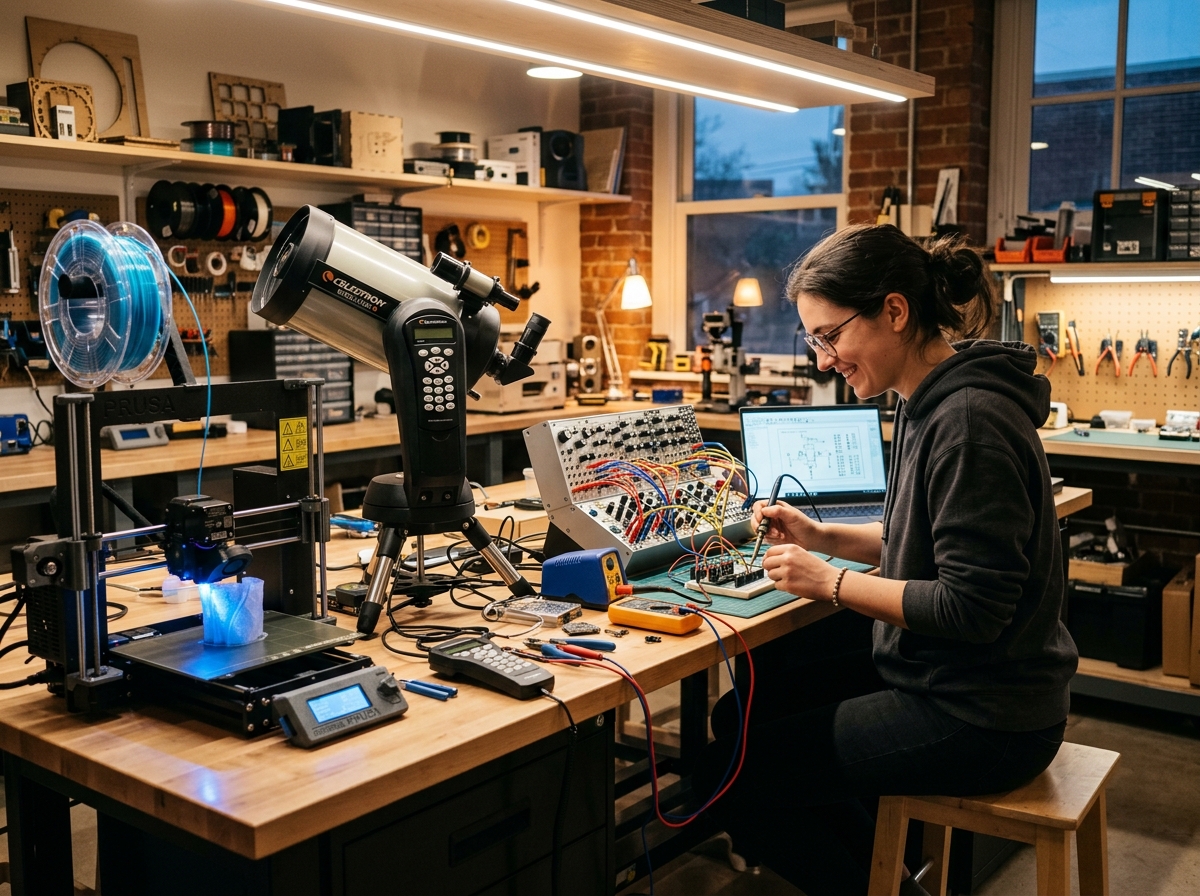
Lifelong maker flow: 3D additive fabrication, celestial telescope astrophotography, IoT smart home firmware, and analog audio modular synthesis.
Lifelong Neuroplasticity & Maker Flow
Deep Craft, Physical Fabrication & Screen-Free Focus: 15+ Years
Neuroscience demonstrates that active physical making triggers 'deep work' flow states that alleviate screen fatigue and anxiety. Pursuing technical crafts—3D printing, astronomy, microcontroller programming, and precision woodworking—builds neuroplastic problem-solving that serves a lifetime.
🖨️ Additive 3D Manufacturing
CAD parametric design, slicing mechanics, and rapid prototyping.
📡 Embedded IoT Systems
Microcontrollers, MQTT wireless telemetry, and sensor automation.
🌌 Observational Astronomy
Equatorial tracking, deep-sky astrophotography, and optical physics.
Children do not play to escape reality; play is how their brains build neural architecture, resilience, and curiosity.
🧠
Cognitive & Logic
Inductive reasoning, pattern recognition, and working memory.
🖐️
Fine & Gross Motor
Pincer grasp, rotational torque, equilibrium, and coordination.
👁️
Sensory Integration
Vestibular balance, acoustic mapping, and tactile textures.
⚙️
STEAM & Spatial
3D orientation, closed circuits, leverage, and physics.
💖
Social-Emotional
Empathy, collaborative negotiation, and self-regulation.
💡
Creative & Divergent
Open-ended hypotheses, unscripted storytelling, and design.
Developmental Neuroscience
The Neuroscience of Toy Selection: Why Age Precision Matters
When a toy is too complex, it breeds learned helplessness. When it is too simple, boredom sets in. Here is how staying inside Vygotsky's Zone of Proximal Development fosters lifelong competence.
Montessori vs Open-Ended vs STEM: Choosing the Right Play Model
Rather than adhering dogmatically to one philosophy, we evaluate how real-world tools, natural wooden tactile surfaces, and technical STEM kits harmonize across different developmental windows.
Screen-Free Play and the Prefrontal Cortex: Why Physical Toys Win
Physical objects provide real gravitational resistance, tactile friction, and acoustic response that flat digital touchscreens cannot replicate. Here is why screen-free play remains irreplaceable.
Every toy is vetted against pediatric developmental milestones: fine/gross motor reflexes, cognitive working memory, sensory integration, and emotional resilience. We prioritize toys that are 90% child-driven and 10% toy-driven—avoiding flash-heavy toys that leave the child passive.
No. We do not accept paid manufacturer placements, sponsored reviews, or gifted promo products. Our curation is strictly independent and guided by pediatric literature and parent testing.
We participate in the Amazon Services LLC Associates Program. When you click our links and purchase an item on Amazon, we may earn a small affiliate commission at absolutely no additional cost to you. This keeps Hobby Hat completely free and independent.
Childhood play does not stop at age 12; it matures into authentic hands-on hobbies—electronics, robotics, sound design, astronomy, and 3D fabrication. We treat the transition from early blocks to real maker tools as a continuous developmental continuum.
Amazon Associate Program Disclosure
As an Amazon Associate I earn from qualifying purchases. HOBBY HAT is a participant in the Amazon Services LLC Associates Program, an affiliate advertising program designed to provide a means for sites to earn advertising fees by advertising and linking to Amazon.com and affiliated international marketplaces. Recommendations are independently selected for developmental value, durability, and safety at zero extra cost to you.